ISA Certified Arborists & Tree Health
Mick's Tree Service LLC
Our ISA (International Society of Arboriculture) informed approaches focus on diagnosing problems early, prescribing effective treatments, and recommending maintenance to extend tree lifespans and protect landscapes.
ISA Certified Arborists & tree health
Mick's Tree Service LLC provides tree health and consultation services led by trained arborists who apply scientific principles in diagnosing, treating, and preserving trees across Northern Arizona. As urban and residential trees face stresses from pests, disease, soil health issues, and environmental conditions, professional arboricultural care is essential.
Why Certified Arborists and tree health services matter
Trees are complex living systems. Proper care requires knowledge of tree biology, species-specific requirements, pest and disease identification, and soil science. ISA-certified practices reduce the chance of harmful interventions and improve outcomes when treating tree health problems. Arborists provide the expertise to:
Identify and manage pests and diseases.
Interpret site conditions and recommend remediation.
Design maintenance regimes that limit long-term structural risk.
Provide risk assessments for proactive safety and stewardship.
Key benefits of engaging Certified Arborists
Accurate diagnosis
Professional evaluation of symptoms that may be misinterpreted by non-specialists.
Evidence-based solutions
Treatments based on current arboricultural science and best practices.
Targeted interventions
From soil amendments and fertilization to structural pruning and cabling.
Long-term planning
Management plans designed to protect valuable legacy trees and integrate with landscape goals.
Documentation for compliance
We often provide risk assessments and reports as required by insurance. We are happy to provide photos of completed work with our invoices upon request
Core arborist services we provide
Our ISA-informed arborists perform comprehensive assessments including:
- Visual inspection of canopy, trunk, and root collar for signs of decay, canker, or pest infestation
- Assessment of structural integrity and failure risk.
- Soil exploration when nutrient or compaction issues are suspected.
Hazardous tree removal
We implement integrated strategies that combine cultural practices, mechanical control, and targeted treatments:
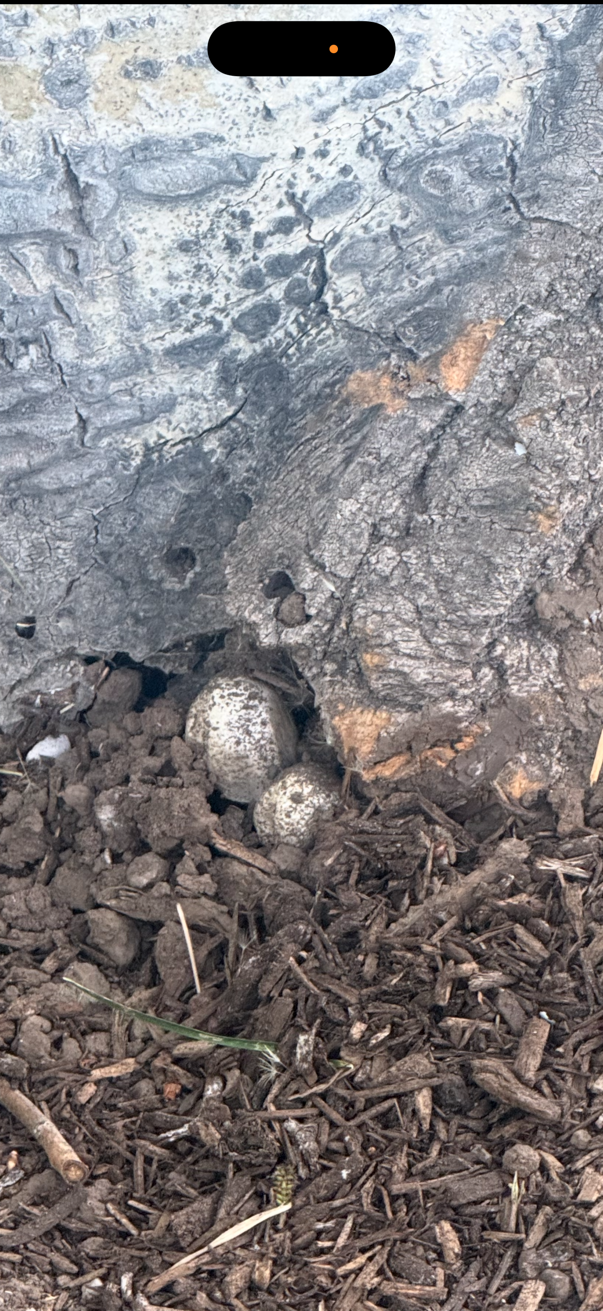
- Identification of pests such as bark beetles, borers, scale, or aphids and treatment plans designed to minimize impacts.
- Disease management including fungal pathogens, canker disease, root rot, and foliar diseases with sanitation measures and pruning strategies.
- Preventative treatments for high-risk species or properties.
Integrated Pest and Disease Management
Healthy roots depend on suitable soil conditions. Our arborists recommend and implement:
- Soil aeration to relieve compaction.
- Mulching strategies that conserve moisture and moderate temperature fluctuations.
- Proper fertilization based on tree needs.
- Root pruning and barrier installation where construction or new utilities threaten root zones
- We can utilize our supersonic air knife to carefully expose roots without harming them. Sometimes utilities or irrigation pipes can be installed beneath the roots without damaging them.
Soil and Root Care
Pruning is both science and art. Proper structural pruning reduces failure risk by:
- Removing weak or narrow-angled attachments.
- Remove crisscrossed and rubbing branches to prevent wounds.
- Balancing canopy weight distribution.
- Addressing codominant stems and reducing included bark.
- Installing cables or braces for high-value trees where appropriate.
Structural Pruning and Corrective Care
We perform tree risk assessments for properties where human safety or high-value assets are at stake:
- Documented risk levels and suggested mitigation steps.
- Prioritized action lists for property managers and homeowners.
- Long-term monitoring plans for trees identified as at-risk.
Risk Assessment and Management
Benefits of proactive tree health management
Extends the life and value of trees, particularly mature specimens.
Reduces costs by addressing problems early before they require removal.
Maintains safer urban environments by reducing the probability of branch or whole-tree failure.
Improves resilience against environmental stressors such as drought or pests.
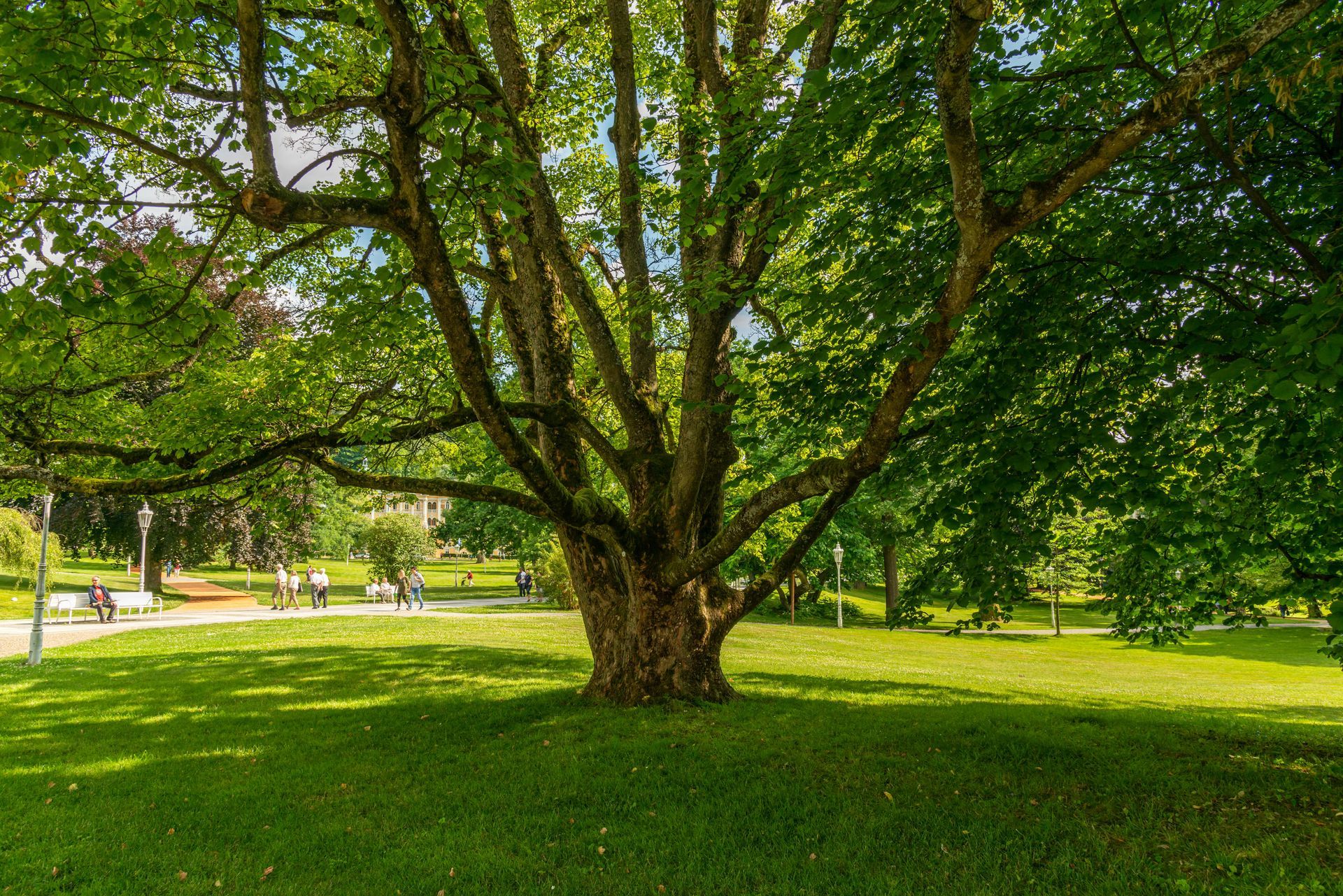
Typical scenarios requiring arborist expertise
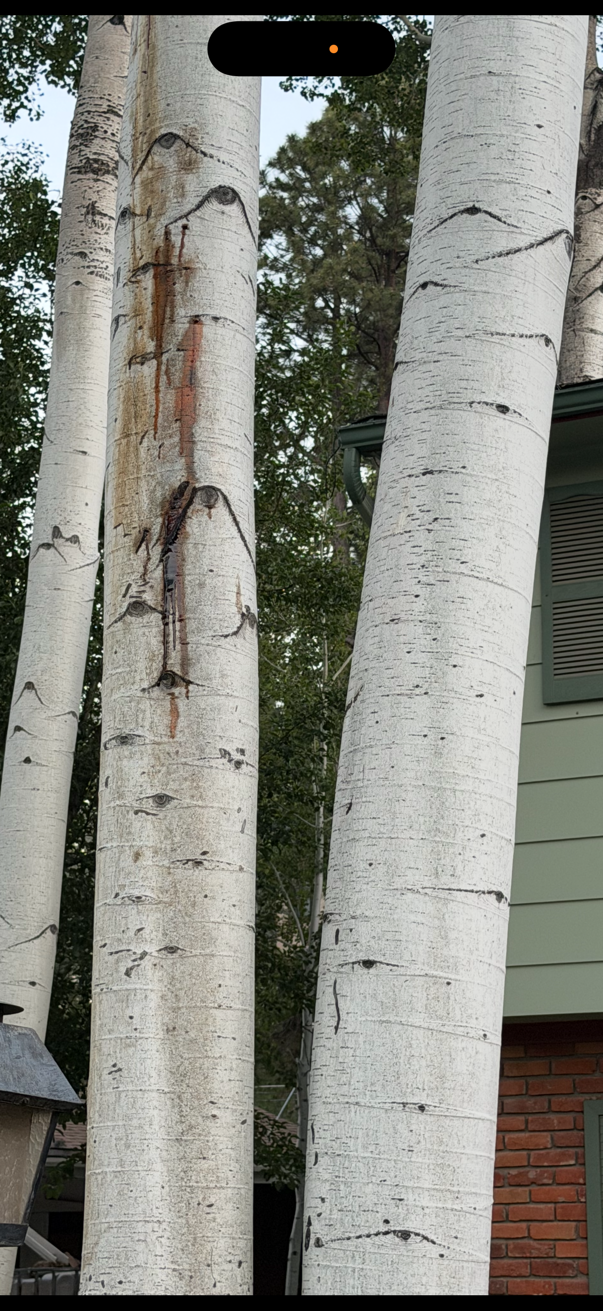
A mature aspen showing dieback
Our arborist diagnoses possible fungal or environmental causes and recommends a treatment plan
Repeated branch failure in street trees
Structural analysis to determine appropriate pruning or removal to protect pedestrians.
Construction impacts near root zones
Soil mitigation, root protection plans, and replanting strategies to preserve trees during development.
Recurring insect infestations
Integrated pest management to reduce long-term impacts and restore tree vigor.
Frequently Asked Questions (FAQs)
What does ISA certification mean?
ISA certification indicates that an arborist has passed a rigorous exam and meets professional standards for arboricultural knowledge. Our practices align with ISA guidelines and current scientific research.
How often should I have tree health inspections?
Inspection frequency depends on species, age, and site risk. High-value or high-risk trees may need annual inspections, while lower-risk trees can be assessed every 2-3 years.
Can you treat root rot or fungal disease?
Treatments vary by disease. We diagnose the specific issue and recommend sanitation, pruning, soil amendments, or targeted fungicide applications when appropriate.
Contact and consultation
To schedule a professional tree health assessment by our Certified Arborists, contact Mick's Tree Service LLC at (928) 774-5892. We will provide a detailed evaluation, documented recommendations tailored to your property.